

Colombia’s Supreme Court formally accused six House Representatives and ordered the arrest of two of them over their alleged involvement in the embezzlement of emergency funds.
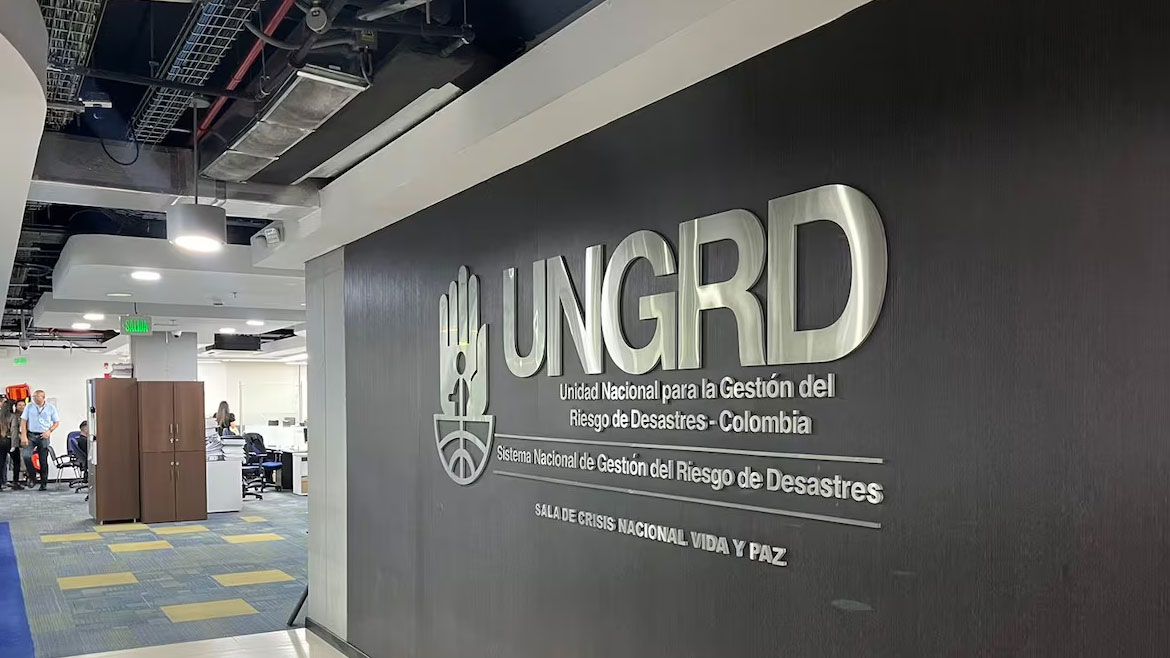
As members of the congressional Public Credit Commission, the lawmakers allegedly agreed to a compensation in exchange for approving three investment projects funded by the disaster management agency, UNGRD.
The UNGRD scandal erupted in February 2024 when local media found evidence suggesting that money meant for disaster relief in the northern La Guajira province had been embezzled.
Two former UNGRD directors, Olmedo Lopez and Sneyder Pinilla, admitted that they conspired with a contractor to embezzle funds for this project.
As part of plea agreement negotiations, Lopez and Pinilla vowed to provide evidence of high-level corruption in the administration of President Gustavo Petro.
Among those allegedly involved in the corruption are the member of the Public Credit Commission, who allegedly vowed to support government proposals in Congress in exchange for UNGRD investments in their district.
House Representative Wadith Manzur (Conservative Party) has publicly admitted that he lobbied for investment in his district, but denied any wrongdoings.
Manzur and Representative Karen Manrique surrendered to the authorities after the court ordered their detention less than a week after they were re-elected.
The remaining suspects can continue their work in Congress while the Supreme Court formally investigates the corruption allegations leveled against them.
An investigation by the Comptroller General’s Office revealed in 2024 that corruption and mismanagement at the UNGRD cost the Treasury at least $60 million since 2022.
Acting Comptroller General Carlos Mario Zuluaga told weekly Cambio at the time that much of the corruption was due to relaxed controls that sought to expediate the government’s response to the 2020 COVID-19 pandemic.
The outsourcing of public works to private contactors has historically been vulnerable to corruption.
Related posts:


