
Illegal armed groups in Colombia have undergone significant expansions last year and can count on more than 27,000 members, a conflict monitoring NGO said.
According to the NGO Ideas para la Paz (FIP), statistics provided by military intelligence indicate that the fighters and unarmed support networks belonging to the monitored illegal armed groups grew 20% since 2024.
The statistics show that the paramilitary organization EGC is the largest armed group with almost 10,000 members, mainly because of its fronts’ massive support networks.
Guerrilla group ELN is the group with the largest number of fighters, according to FIP.
Members of illegal armed groups
The increase in members coincided with a 34% increase in armed conflict between the illegal armed groups that largely rely on illegal economies like drug trafficking and illegal mining for their financial support.
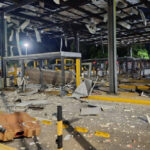
The use of drones has further expanded the groups’ capacity to attack rival organizations, State security forces and infrastructure, FIP said in its report.
According to the NGO, at least 13 regions suffered active armed conflict because of the fighting between the illegal armed groups at the end of last year.
This is more than any time since 2016 when the government of former President Juan Manuel Santos signed peace with the FARC, which used to be Colombia’s largest illegal armed group.
This resurgence of violence had a devastating humanitarian impact. Forced displacement increased by 85%, largely due to the Catatumbo crisis, which forced 92,000 people to flee their homes. Homicides remained relatively stable, with a slight increase of 3%. However, this figure is misleading. In many regions, the reduction in murders does not reflect less armed power, but rather quieter criminal strategies designed not to affect their illegal economies.
Fundación Ideas para la Paz
The increase of illegal armed groups’ power is partly to blame on the State’s failure to effectively exercise territorial control in the countryside and effectively combat impunity for crimes related to armed conflict, according to FIP.
Related posts: