
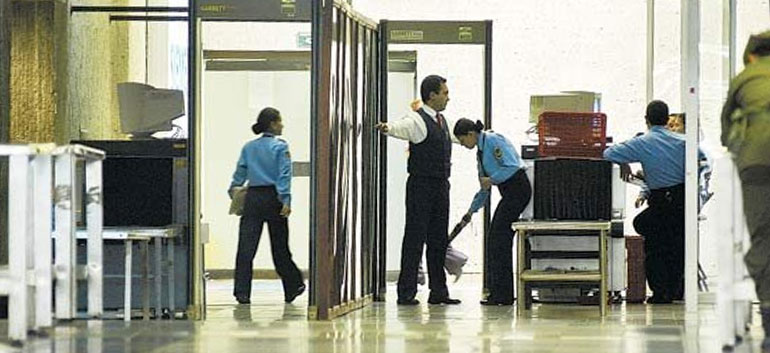

President Juan Manuel Santos on Sunday called on Colombia’s border security officials to tighten border control to reduce the risk of the Ebola virus entering the country.
So far no reports of the virus have been made in Colombia or any other South American country, but a recent outbreak in West Africa has killed thousands.
Nevertheless, “the instructions have been given to step up border security. All the epidemiological control that needs to be done on the border will be done, and it is being done as a preventative measure,” Santos said after a visit to a Bogota hospital.
Key facts about the Ebola virus
|
The president claimed that the risk of the disease spreading in Colombia were low, but that steps should be taken to prevent the spread of the highly infectious disease.
Colombia is not alone in taking preventive steps against Ebola as a number of nations in South America have begun taking precautions to prevent the potential spread of the virus from an international traveler.
Argentina has probably gone the furthest in preparing for a potential outbreak, designating seven hospitals as “Ebola-only” quarantine centres should any cases be found in the country.
The infection by a traveler arriving in a port or airport is real, as was shown in Nigeria, where a Liberian passenger brought the virus to Lagos, infecting at least 11 others in the country. The passenger later died from the infection.
Sources
- Colombia tightens borders to keep out Ebola (Fox News Latino)
- Ebola Virus disease (WHO)
- Latin America prepares hospitals, airport screenings to fight Ebola threat. (Breitbart)